The solar car industry is having its moment, and smart money is taking notice. What started as a niche market for eco-enthusiasts has exploded into a $1.25 billion sector projected to hit $5.45 billion by 2030, that’s a 27.81% compound annual growth rate that’s catching the attention of private equity firms and sophisticated investors worldwide.
For founders and PE players, this isn’t just another clean tech trend. It’s a fundamental shift in how transportation gets funded, built, and scaled. The convergence of breakthrough solar technology, regulatory tailwinds, and massive infrastructure investment needs is creating deal structures and valuations we haven’t seen before.

Why Private Equity Is Suddenly Interested in Solar Cars
The numbers tell the story. Multiple research firms are projecting double-digit growth rates, with the most conservative estimates still showing 12.7% CAGR through 2034. But it’s not just about market size, it’s about the capital intensity and scalability that makes PE firms salivate.
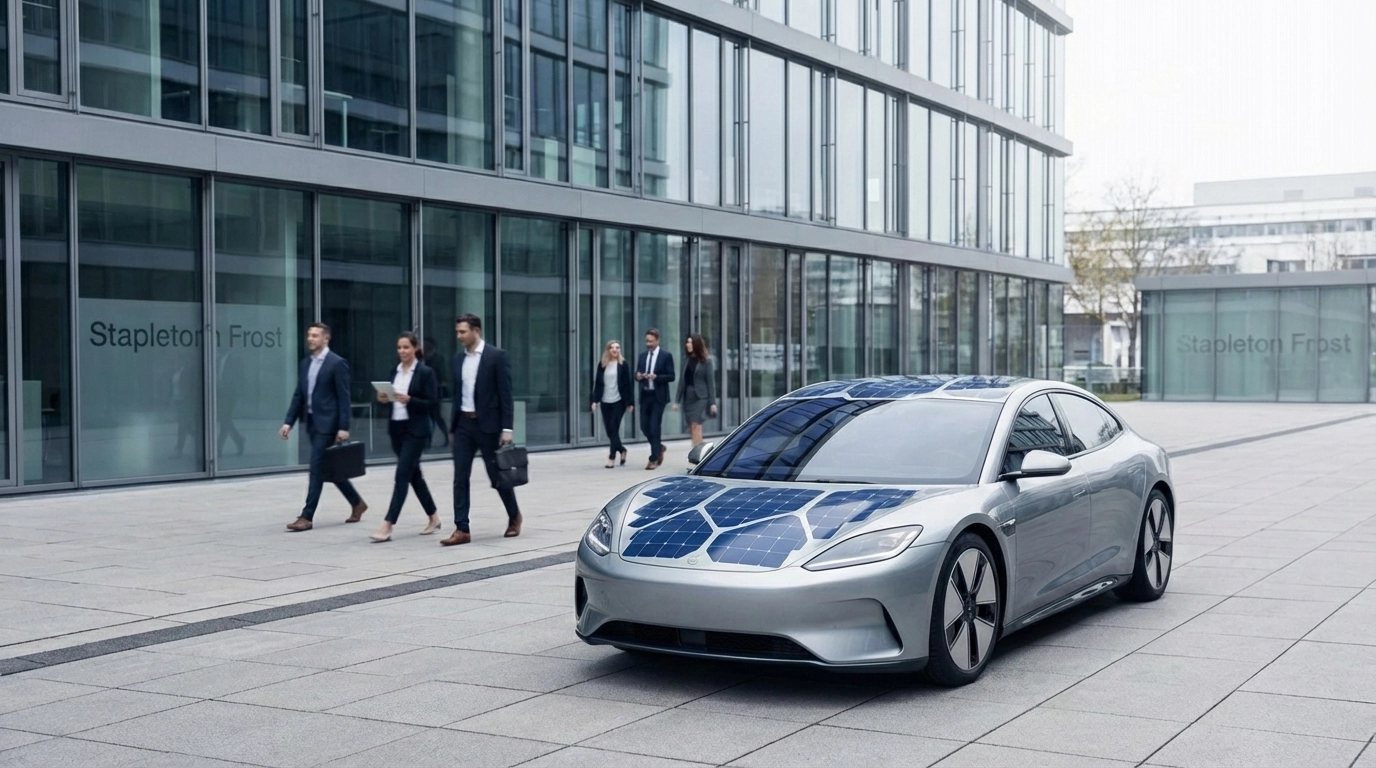
Take Aptera, which just unveiled plans to ramp up to 20,000 vehicles annually by the end of 2025. Their $40,000 Launch Edition features integrated solar panels capable of generating 4 kWh over a California summer day. This isn’t just a product launch, it’s a manufacturing scale-up that requires the kind of operational expertise and capital deployment that growth equity firms specialize in.
The sector is also attracting traditional automakers looking for acquisition targets. Toyota, Hyundai, Mercedes-Benz, and Ford are all making moves, creating clear exit opportunities for early investors. When established players with deep pockets start acquiring specialized technology, it typically signals a mature investment thesis.
Three Key Investment Areas Driving Deal Flow
Manufacturing and Production Scaling
The move from prototype to commercial production is where the real money gets deployed. Companies like Squad Mobility are launching affordable options starting at $6,250, while others focus on premium segments. This manufacturing phase requires significant capital for facilities, supply chain development, and quality systems, exactly the operational challenges that PE firms excel at solving.
Technology and IP Development
Recent breakthroughs in photovoltaic efficiency are game-changers. Fraunhofer ISE achieved 47.6% efficiency in multi-junction solar cells in late 2023, addressing the core limitation of energy generation from limited vehicle surface area. Companies developing advanced solar panels, lightweight materials, and integrated energy storage systems are becoming attractive acquisition targets for both strategic and financial buyers.

Infrastructure and Services
The expansion beyond passenger vehicles into commercial fleets is creating B2B opportunities that PE firms find compelling. Electric bus registrations in the EU jumped 50.3% in Q1 2025, with market share increasing from 13% to nearly 20%. This shift toward fleet operations requires infrastructure investments in solar charging stations, grid integration technology, and fleet management software, all areas with recurring revenue models that private equity loves.
How Deal Structures Are Evolving
Traditional automotive investments typically involve long development cycles and massive capital requirements before any revenue. Solar car companies are changing this dynamic by focusing on modular technology that can be applied across multiple vehicle types and use cases.
Smart investors are structuring deals around technology licensing, infrastructure development, and service contracts rather than just vehicle manufacturing. This creates multiple revenue streams and reduces dependency on single product launches. For example, companies are now offering solar-assisted delivery solutions, fleet electrification services, and solar subscription plans, business models that generate predictable cash flows.
The diversification into commercial transportation is particularly attractive because fleet operators make purchasing decisions based on total cost of ownership rather than consumer preferences. A solar-powered delivery vehicle that reduces operational costs by 30% has a clear value proposition that justifies premium pricing.
Recent Funding Trends and Valuations
While specific funding rounds aren’t always publicly disclosed, the activity level suggests significant capital deployment. The market’s growth from $450 million in 2024 to projected multi-billion dollar valuations indicates substantial investor interest across venture capital, growth equity, and strategic investment.
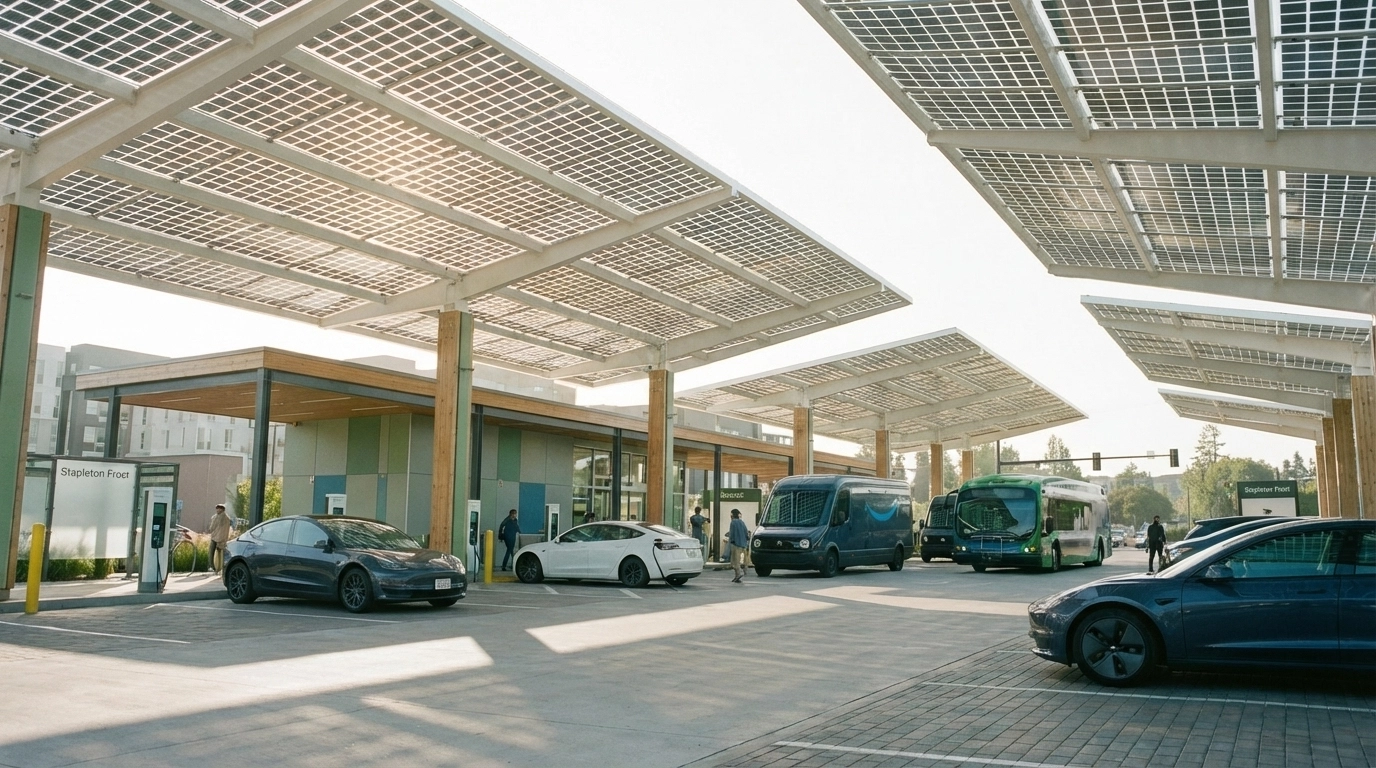
Early-stage companies are securing funding for R&D and prototype development, while later-stage companies are raising growth capital for manufacturing scale-up. The presence of major automotive manufacturers as strategic investors is also inflating valuations, as these companies view solar technology as essential to their long-term competitiveness.
What’s particularly interesting is how infrastructure requirements are creating secondary investment opportunities. Clean mobility corridors, solar charging networks, and grid integration systems all require separate capital deployment, creating a ecosystem of related investment opportunities.
What This Means for Founders
If you’re building in this space, understanding the investment landscape is critical. PE firms are looking for companies with:
- Proven technology that addresses real performance limitations
- Clear paths to manufacturing scale
- Business models beyond just vehicle sales
- Management teams with operational experience
The key is positioning your company within the broader ecosystem rather than as just another car manufacturer. Companies succeeding in fundraising are those that solve infrastructure challenges, enable fleet electrification, or provide technology that traditional automakers can license and integrate.
Timing is also crucial. The market is still early enough that first-mover advantages matter, but mature enough that investors expect proven technology and clear go-to-market strategies. The window for pure concept-stage funding is closing, but opportunities for growth capital are expanding rapidly.
The Road Ahead for Private Equity
The solar car revolution represents more than just another clean tech investment theme. It’s a convergence of manufacturing expertise, technology development, and infrastructure deployment that plays directly into PE’s operational strengths.

Smart firms are already positioning for consolidation opportunities as the market matures. The combination of startup innovation and established automotive manufacturing creates natural roll-up opportunities, particularly in component technology and charging infrastructure.
The regulatory environment is also favorable, with government incentives and emission standards providing demand certainty that reduces investment risk. When policy support aligns with technological breakthroughs and clear market demand, it typically signals sustainable investment opportunities rather than temporary trends.
For PE firms focused on the intersection of technology and manufacturing, solar cars offer the scale, capital intensity, and operational complexity that can generate attractive returns while supporting genuine innovation in sustainable transportation.
The solar car revolution is just getting started, and the smart money is positioning now for the growth phase ahead. Whether you’re a founder building in this space or an investor evaluating opportunities, understanding these market dynamics will be essential for success in this rapidly evolving sector.
Sources:
- https://www.businesswire.com/news/home/20251205163206/en/Solar-Powered-Vehicle-Market-Intelligence-2025-2030-Breakthroughs-in-Solar-Cell-Efficiency-Set-to-Drive-Booming-Growth-at-27.81-CAGR-Lightyear-Sono-Motors-and-Aptera-Lead—ResearchAndMarkets.com
- https://www.gminsights.com/industry-analysis/solar-vehicle-market
- https://www.grandviewresearch.com/industry-analysis/solar-vehicle-market-report
- https://www.motortrend.com/events/aptera-solar-powered-ev-ces-2025
- https://www.thebusinessresearchcompany.com/report/solar-powered-car-global-market-report
- https://www.lucintel.com/solar-powered-car-market.aspx
Disclaimer: This blog post is for informational purposes only and does not constitute legal, financial, or investment advice. Please consult with your professional advisor before making any financial decisions.